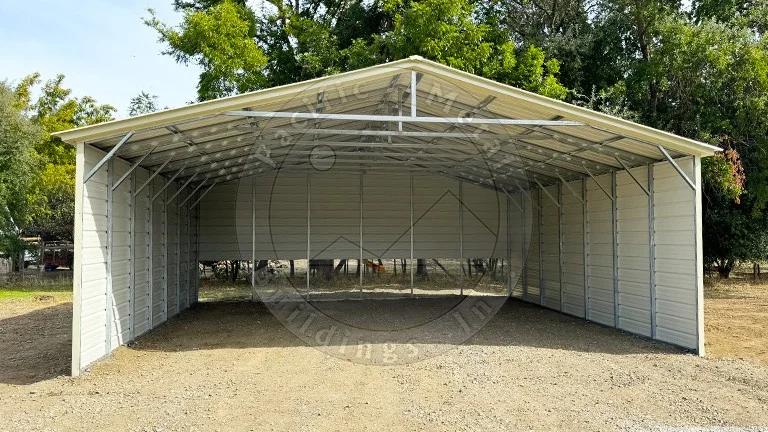
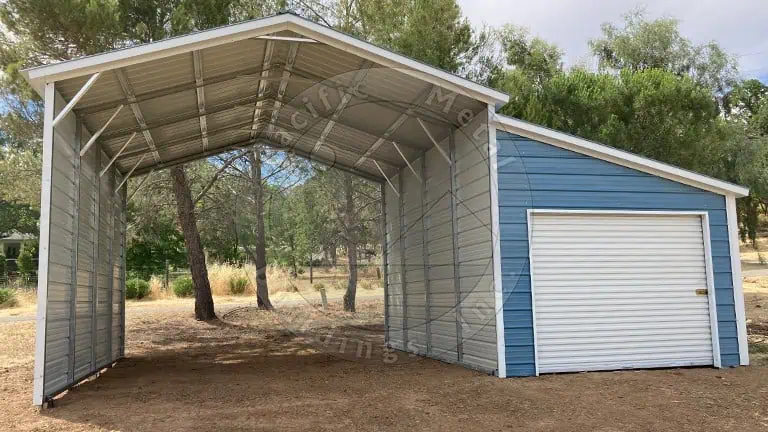
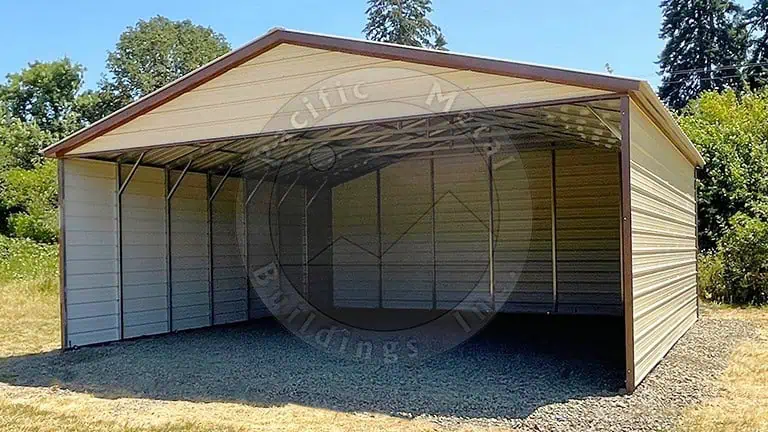
When people start planning for a metal garage, most of the attention goes straight to the structure itself. Size, layout, doors, that’s the part you can see coming together. The ground it sits on usually gets pushed to the side until later.
However, if the site isn’t ready, installation doesn’t go as planned. Crews slow down, and sometimes issues don’t show up until weeks later.
Taking time to prep the site properly helps to keep the whole project moving the way it should.
Key Highlights
Site conditions play a direct role in how the garage performs.
The right location helps avoid water and access issues.
Clearing and marking the area keeps the installation on track.
Level ground prevents alignment problems.
Drainage planning reduces long-term water issues.
Foundation choice affects how space can be used.
Permits and local rules can impact timing.
Delivery access is often overlooked early on.
Why Site Preparation Matters Before Installing a Metal Garage?
It doesn’t take much for a site to cause problems. Crews can work around some of it, but it usually takes longer, and the results aren’t always ideal.
Water tends to be the bigger issue. If it already collects in that area, the building won’t fix it. In some cases, it makes it more noticeable. Over time, that can lead to soft spots around the base or standing water where you don’t want it. A bit of prep ahead of time usually keeps those issues from sticking around.
Step 1: Choose the Right Location
Before anything gets cleared, it helps to take a close look at where the garage will sit.
Check ground conditions: Walk the area and notice any dips or soft spots. If the ground shifts underfoot, it’ll likely need extra work before it’s ready.
Think about daily access: Consider how you’ll use the space. Pulling in and out should feel easy, not like you’re working around tight corners every time.
Leave space around the building: Give the structure some room. It helps with maintenance and makes the space easier to use overall.
Consider sun, wind, and water: Watch how water moves after rain. Pay attention to wind direction and how much sun the area gets during the day.
Step 2: Clear and Measure the Site
Once the location is set, the next step is getting the area ready to work on.
Remove obstacles: Clear out brush, rocks, and anything sitting on the surface. Even small debris can get in the way during leveling.
Measure and mark the building area: Mark the footprint so you know exactly where the building will go. It keeps everything aligned later.
Add extra working space: Don’t stop at the edges. A little extra room gives crews space to move and set materials.
Step 3: Level the Ground and Plan Drainage
This is where the site starts to come together, but it’s also where details matter.
Why leveling matters: A flat surface keeps the structure sitting evenly. If it’s off, even slightly, it can lead to alignment issues.
Why drainage needs to be considered: Water should move away from the building. If it doesn’t, it can collect and cause problems over time.
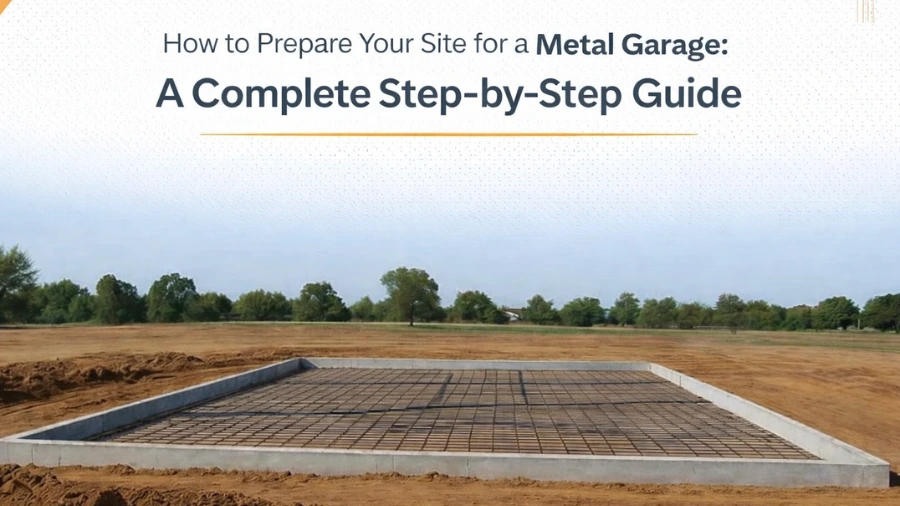
Step 4: Choose the Right Foundation
Different uses call for different foundations, so it depends on how you plan to use the garage.
Soil/Gravel
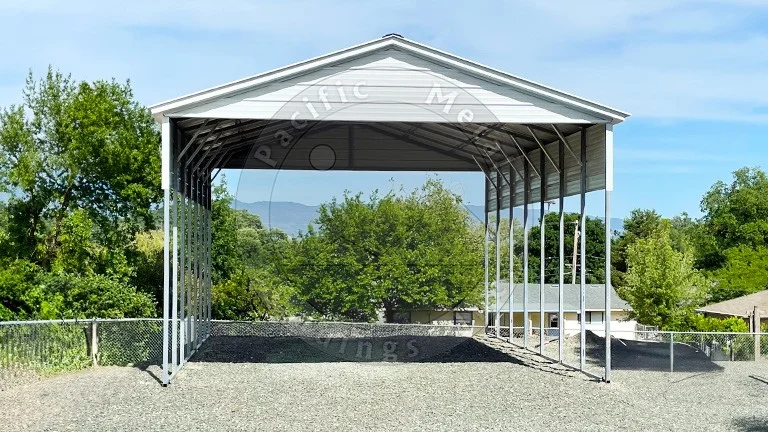
A compacted gravel base works for lighter use. It’s simple and cost-effective, but not always the most durable option.
Asphalt
Asphalt provides a smoother surface and handles vehicles well. It’s a middle option between gravel and concrete.
Concrete
Concrete offers the most stability. It’s a solid choice for workshops or heavier equipment.
Step 5: Confirm Permits, Codes, and Utilities
Before installation gets scheduled, it’s worth checking the details behind the scenes.
Local building permits: Most areas require approval before installation. Getting this done early helps avoid delays.
Check zoning and setbacks: Make sure the building placement meets local rules. Property lines and spacing can affect your layout.
HOA concerns if relevant: If applicable, review any HOA guidelines before moving forward.
Utilities: Identify any underground lines before digging. It’s a small step that prevents bigger issues.
Step 6: Delivery and Installation
Even with everything else in place, access can still cause delays if it’s overlooked.
There is enough room for trucks and installation crews: Trucks need space to enter, unload, and move around. Limited access can slow things down.
Overhead clearance from trees or wires: Check for anything above the site that could interfere during installation.
Gate width and driveway condition: Make sure entry points are wide enough and stable for larger vehicles.
Step 7: Final Pre-installation Checklist
A quick review before installation day can help catch anything that was missed.
Site is cleared: No debris or obstacles left in the work area.
Ground is level: The surface should be even and ready for installation.
Drainage is in place: Water should flow away from the building area.
Measurements confirmed: Double-check the layout before installation begins.
Foundation is installed: If required, it should be complete and ready.
Permits are secured: All approvals should be in place in advance.
Access is open: Nothing should block entry for trucks or crews.
While installing a metal garage is fairly straightforward, there are a few pitfalls that can slow down the process and cause quite a few headaches. Stay clear of the following:
Choosing a low spot with drainage problems: Water collects in low areas, which can lead to ongoing issues.
Skipping site measurements: Estimating instead of measuring can cause alignment problems later.
Pouring the slab before confirming specs: If the foundation doesn’t match the building, it can be difficult to correct.
Forgetting truck access: A prepared site doesn’t help if delivery can’t reach it.
Waiting too long for permits: Permits can take time, and delays here affect the entire project.
Site Preparation Timeline
Every project moves a little differently depending on the situation.
Timeline depends on land condition, permits, and foundation prep: Uneven ground or permit delays can extend the timeline.
Simple sites move faster: Flat, open areas are usually quicker to prepare.
Weather and contractor scheduling can affect timing: Conditions and availability can shift timelines slightly.
Pacific Metal Buildings is Your Premier Partner for Metal Garages
Pacific Metal Buildings works with customers across California and Oregon. Our structures are built using quality materials and designed to meet your region’s wind and snow requirements. Whether you’re upgrading the backyard with vehicle storage or going all out on a commercial venture, we have infrastructure to back you up.
When you work with us, you get:
Included delivery and installation.
Certified designs for your local conditions.
Flexible financing and rent-to-own (RTO) options.
Experience with local codes and regulations.
If you’re planning a metal garage and want to make sure everything starts on the right foot, give us a call at +1 (530) 438-2777, and we’ll help you get there.
Carports provide an effective and economical solution for protecting vehicles, equipment, and outdoor belongings from sun, rain, and other elements. They offer a practical alternative to traditional garages, combining affordability with ease of installation.
Metal Carports can be customized in size, style, and materials to meet a variety of needs. Whether for a single vehicle, multiple cars, or larger vehicles such as RVs and boats, there is a suitable option for every property.
This guide serves as a complete resource for buyers, covering the benefits of carports, the different types available, and key considerations to help you choose the right solution for your home or business.
Key Highlights
Shields vehicles and equipment from weather exposure.
Costs less than building a full garage.
Installs quickly once the site is ready.
Comes in multiple sizes and layouts.
Works for more than just cars.
Doesn’t require much upkeep.
Can make a property more usable.
Often built to meet local wind and snow codes.
What is a Carport?
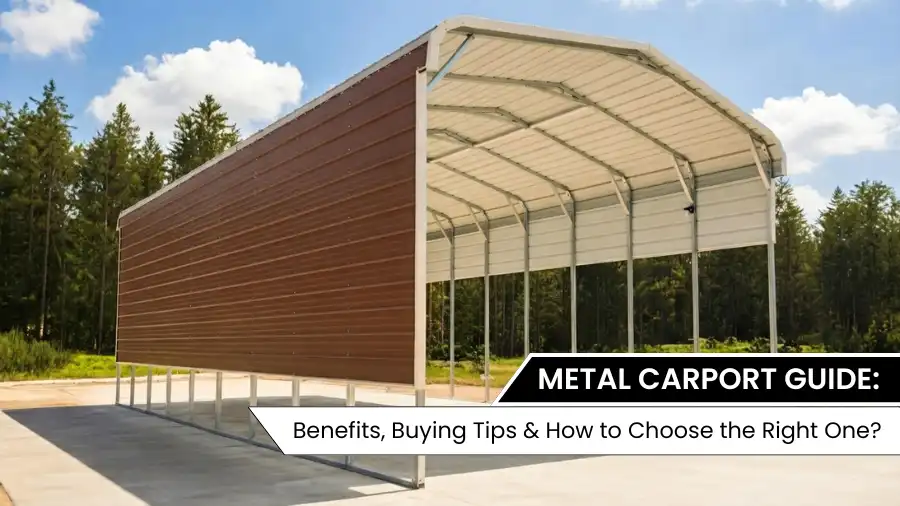
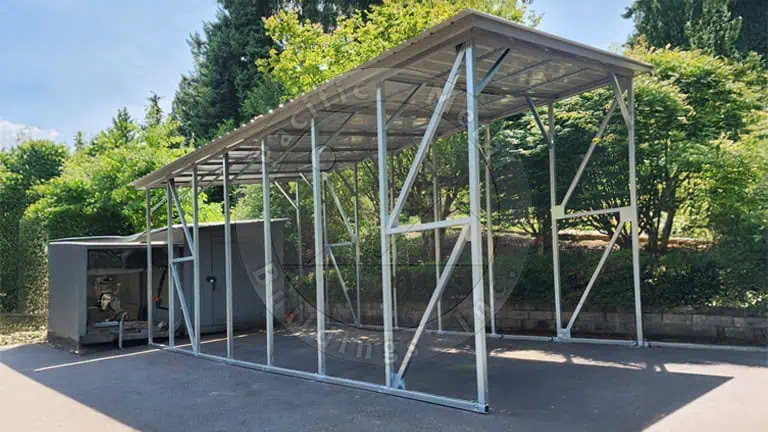
A carport is basically a roof with support posts, sometimes with partial sides. That’s it. No full enclosure unless you decide to add one later. Compared to a garage, it’s a lot simpler, with no doors, no full walls, and no insulation.
Sheds are different, too. They’re enclosed and usually smaller. Carports sit somewhere in between. These structures are open, practical, and built for covering larger items without turning it into a full building project.
The Key Benefits of Carports
There’s a reason people keep choosing carports. They solve a problem without turning it into a big, drawn-out build. These structures are:
Affordable: You’re not paying for a full structure, so the price stays lower. Fewer materials, less labor. For a lot of people, that’s the deciding factor right there.
Quick and Easy Installation: Once your ground is ready, installation moves fast. In many cases, it’s done the same day. No long construction timeline, dragging things out.
Versatility: It doesn’t have to be just for a car. Boats, trailers, and lawn equipment all fit. And if your needs change later, the setup can usually change with it.
Low Maintenance: Metal holds up well. No painting every year. No worrying about rot. Every once in a while, you check things over and rinse them off. That’s about it.
Improved Property Value: It’s not the same as adding a garage, but it still helps. Covered parking or storage is something buyers notice, especially in areas with rough weather.
Types of Carports
There isn’t just one version of a carport. The size and layout usually depend on what you’re trying to cover. Some of the most popular options include:
One-Car Carports
One-car carports are straightforward and compact. Good for a single vehicle or maybe a small piece of equipment, and it works well if space is tight.
A little planning up front saves headaches later. Most mistakes happen when people underestimate space or skip small details. Follow these tips for the best results:
Select the right size: Don’t just measure the vehicle. Think about opening doors, walking space, and maybe storing something next to it. A few extra feet make a difference.
Choose the right roofing style (regular, A-frame, or vertical): Roof style matters more than it seems. Vertical roofs handle heavy rain and snow better. Regular styles are fine in lighter conditions.
Check local building permits for wind and snow regulations: Some areas require certified structures. Wind and snow loads aren’t the same everywhere, so it’s worth checking before you commit.
Consider custom add-ons: Side panels, gables, and partial enclosures; these small upgrades can change how the space is used. It’s easier to plan for them early.
Carport Installation & Maintenance: What to Expect
The install itself is quick. Getting the site ready is what really matters.
Site preparation
You want level ground. No debris, no uneven spots. If the base is off, everything else feels it later.
Foundation work
Gravel, asphalt, or concrete all work. The goal is stability. Something that won’t shift or settle over time.
Installation process
The frame goes up first, then the roof panels. Everything gets anchored down. Most jobs wrap up in a day, depending on size.
Maintenance tips
Check bolts now and then. Clear off leaves or debris. After a storm, it’s worth a quick look. Nothing complicated.
Metal Carport Cost and Timeline
Most basic metal carports land somewhere between $11 and $20 per square foot. That’s a general range. Go bigger, add panels, change the roof style, and the price moves with it.
After you place an order, the usual wait is about 4 to 8 weeks. That covers manufacturing and scheduling. Sometimes quicker, sometimes a bit longer, depending on demand.
The actual install is the easy part. Once everything shows up and the site is ready, it doesn’t take long. Weather and permits can slow things down, but if those are handled early, the process stays pretty straightforward.
Get the Right Carport with Pacific Metal Buildings
Pacific Metal Buildings delivers structures that hold up year after year and continue to do their job decades down the line. Each carport is built to meet local wind and snow requirements in California and Oregon and is ready to work for you.
Whether you’re going simple or planning something larger, there’s room to adjust the design to fit your space.
When you work with Pacific Metal Buildings, you get:
Included delivery and installation
Leading warranties
Dedicated customer support
Certified metal structures
Local knowledge of building regulations
If you’re at the point where you’re comparing options, this is a good place to start narrowing things down. Give us a call at +1 (530) 438-2777 to get started.
Frequently Asked Questions
Do carports actually make a difference in vehicle lifespan?
They can. Less exposure to the sun and moisture usually means less wear over time.
How long does installation take?
In most cases, just a few hours once everything is ready.
Can I enclose a carport later on?
Yes, many designs allow you to add panels or partially enclose it down the road.
Will I need a permit?
It depends on local rules, so it’s worth checking ahead of time.
Which roof style is best for bad weather?
Vertical roofs tend to handle rain and snow the best.
How long will a metal carport last?
With basic upkeep, they can last for decades without much trouble.
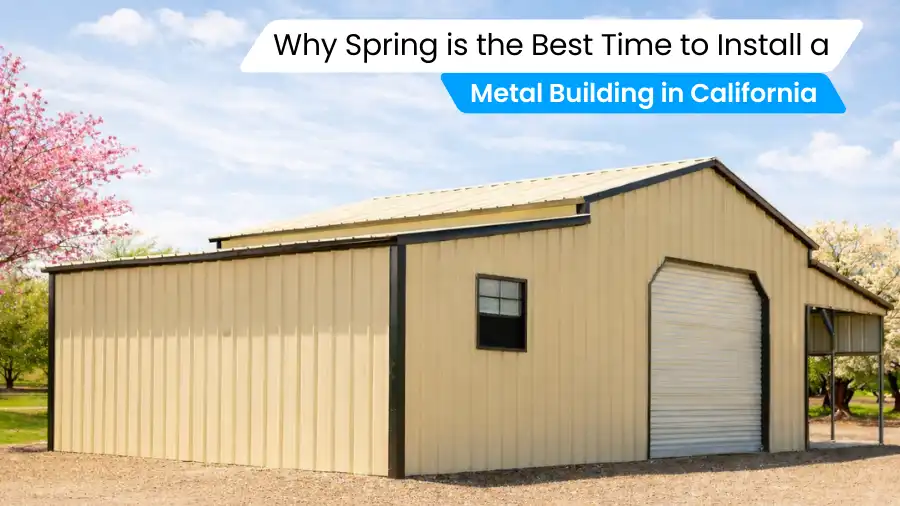
Metal buildings don’t have a strict season. Crews install them in January, August, whenever a project lines up. Still, timing matters more than people think. For metal building projects in California, spring often turns out to be the easiest window for getting a project moving. The weather settles down, contractors start lining up jobs again, and many property owners finally pull the trigger on plans they’ve been sitting on.
Key Highlights
Spring tends to bring steadier construction weather across much of California
Moderate temperatures make outdoor work easier for installation crews
Fewer winter storms mean fewer unexpected delays
Soil conditions are often easier to prepare for foundations
Contractors may have more schedule flexibility before summer
Spring installations avoid peak summer heat on job sites
Permit offices sometimes process applications faster, early in the season
Buildings completed in the spring are ready to use for the rest of the year
Spring Weather Makes Installation Easier
When it comes to construction projects, weather runs the show. If it rains for two days straight, work stops. If temperatures spike, progress slows down. Spring in California usually avoids both of those extremes, which is why many contractors quietly prefer it.
Moderate temperatures
Spring typically brings comfortable daytime temperatures. Crews can work without fighting freezing mornings or brutal afternoon heat.
Safer working environment
Extreme weather adds stress to any job site. When temperatures stay manageable, workers are less likely to deal with fatigue or heat-related issues.
Better productivity
When the weather cooperates, crews can focus on the actual build.
Reduced risk of weather delays
Winter storms sometimes shut down construction for several days at a time. Spring weather tends to be more predictable.
More consistent construction schedules
Contractors build their schedules around expected weather patterns. Spring often provides enough stability to keep projects running close to the original timeline.
Helps avoid extreme heat
Starting a project in spring often means the majority of installation finishes before high temperatures show up.
Spring Provides Better Ground Conditions
A steel structure might be the most visible part of a metal building, but the ground underneath it is just as important. Before anything gets installed, the site has to be prepared. Spring weather allows for:
Stronger foundation setup
After winter rain tapers off, soil usually becomes more stable. Contractors can prepare the base without dealing with overly saturated ground.
Better compaction and leveling
Soil that’s extremely dry can be difficult to compact properly. On the other hand, soil that’s soaked can shift or settle unevenly. Spring often lands somewhere in between, which helps crews prepare the site more effectively.
Spring Season Helps Construction Go Smoother
Scheduling, permits, and contractor availability all play a big role in the construction process. Spring tends to be a time when many construction projects begin moving forward.
Quicker scheduling
Early in the season, some contractors still have open time on their calendars. Waiting until midsummer often means competing with a much larger number of projects.
Potentially faster permitting
Local permitting offices sometimes get backed up once construction demand increases.
Preparing Your Property for Spring Installations
Before construction starts, the building site should be ready. Proper preparation helps crews begin work immediately once materials arrive.
Steps that help prepare your property include:
Clear and grade the land
Remove debris from the installation area. Grading the surface guarantees the foundation sits on level ground.
Install adequate drainage
Water should move away from the building site rather than collecting around it. Good drainage helps protect the foundation and surrounding soil.
Hire foundation contractors
A metal building depends on a strong base. Experienced contractors can install a proper slab required for the structure.
Secure permits
Most local jurisdictions require building permits before construction begins. Handling this step early helps prevent delays later.
Why Metal Buildings Are Ideal for California Properties?
Metal buildings are common across California, and for good reason. These structures are:
Useful for a wide range of projects
Metal structures are used for garages, workshops, barns, equipment storage, and commercial spaces. Their design can be adapted for many uses.
Metal buildings last for decades in California’s weather
Steel construction is known for long-term durability. With proper installation and maintenance, many buildings remain functional for decades.
Metal buildings are engineered for seismic activity
Many modern steel building systems are designed with earthquake resistance in mind. This helps them perform safely in seismic-heavy regions.
Plan Your Spring Metal Building Project with Pacific Metal Buildings
Pacific Metal Buildings has worked with customers throughout California on projects ranging from simple storage structures to larger workshops and agricultural buildings. Our buildings are built with high-quality steel framing and are customizable from top to bottom.
When you work with Pacific Metal Buildings, you receive:
Call us today at +1 (530) 438-2777 to start designing your custom metal building with the help of our experts.
Spring is the Perfect Season for Metal Buildings
Starting a construction project at the right time can make a noticeable difference. In California, spring often provides a comfortable window for installing a metal building.
Weather conditions are usually manageable, soil preparation is easier, and contractors are gearing up for the building season. For many property owners, that combination makes spring a practical time to begin.
Frequently Asked Questions
Can metal buildings be installed in winter?
Yes, they can. Weather conditions may occasionally slow progress, but installation is still possible.
How long does it take to install a metal building?
Installation time varies depending on the building size and site preparation requirements.
Do metal buildings require foundations?
Most metal structures rely on concrete slabs or engineered foundations for stability.
Are metal buildings suitable for residential properties?
Yes. Many homeowners use them for garages, RV storage, and workshops.
How long do metal buildings last?
With proper installation and maintenance, steel buildings can last for decades.
Do I need permits before installation?
In most locations, building permits must be approved before construction begins.
×
Get a Quick Quote
Book your Appointment NOW & Get a FREE Metal Building Estimate