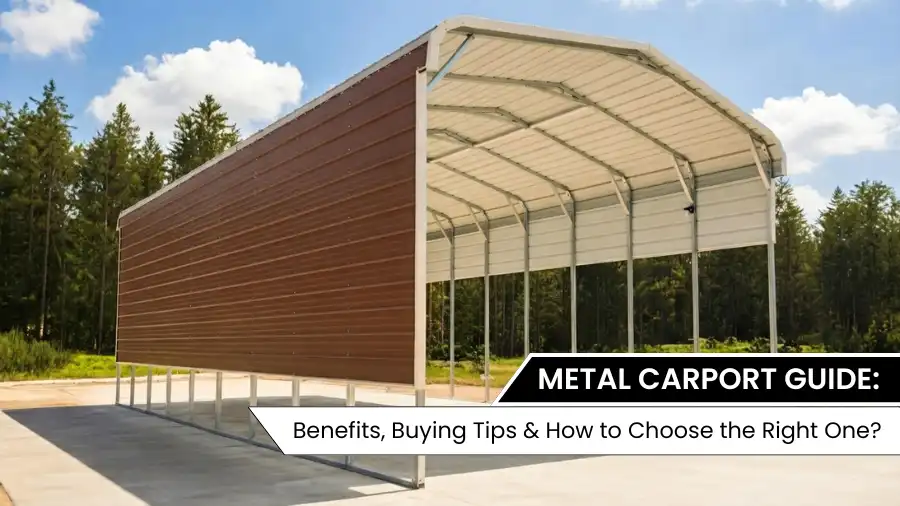
Carports provide an effective and economical solution for protecting vehicles, equipment, and outdoor belongings from sun, rain, and other elements. They offer a practical alternative to traditional garages, combining affordability with ease of installation.
Metal Carports can be customized in size, style, and materials to meet a variety of needs. Whether for a single vehicle, multiple cars, or larger vehicles such as RVs and boats, there is a suitable option for every property.
This guide serves as a complete resource for buyers, covering the benefits of carports, the different types available, and key considerations to help you choose the right solution for your home or business.
Key Highlights
- Shields vehicles and equipment from weather exposure.
- Costs less than building a full garage.
- Installs quickly once the site is ready.
- Comes in multiple sizes and layouts.
- Works for more than just cars.
- Doesn’t require much upkeep.
- Can make a property more usable.
- Often built to meet local wind and snow codes.
What is a Carport?
A carport is basically a roof with support posts, sometimes with partial sides. That’s it. No full enclosure unless you decide to add one later. Compared to a garage, it’s a lot simpler, with no doors, no full walls, and no insulation.
Sheds are different, too. They’re enclosed and usually smaller. Carports sit somewhere in between. These structures are open, practical, and built for covering larger items without turning it into a full building project.
The Key Benefits of Carports
There’s a reason people keep choosing carports. They solve a problem without turning it into a big, drawn-out build. These structures are:
- Affordable: You’re not paying for a full structure, so the price stays lower. Fewer materials, less labor. For a lot of people, that’s the deciding factor right there.
- Quick and Easy Installation: Once your ground is ready, installation moves fast. In many cases, it’s done the same day. No long construction timeline, dragging things out.
- Versatility: It doesn’t have to be just for a car. Boats, trailers, and lawn equipment all fit. And if your needs change later, the setup can usually change with it.
- Low Maintenance: Metal holds up well. No painting every year. No worrying about rot. Every once in a while, you check things over and rinse them off. That’s about it.
- Improved Property Value: It’s not the same as adding a garage, but it still helps. Covered parking or storage is something buyers notice, especially in areas with rough weather.
Types of Carports
There isn’t just one version of a carport. The size and layout usually depend on what you’re trying to cover. Some of the most popular options include:
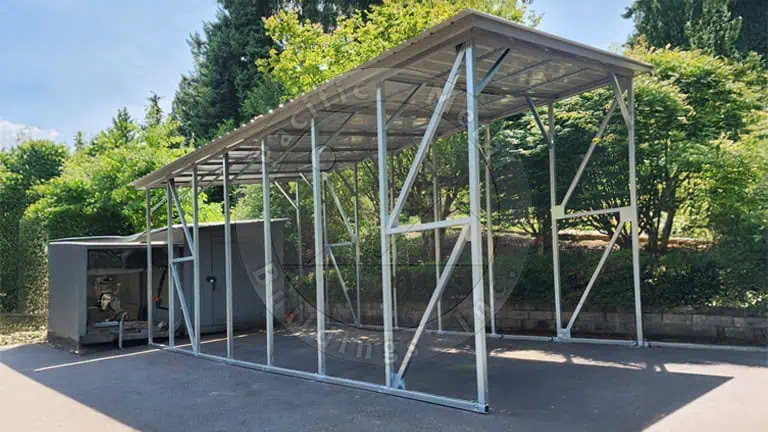
One-Car Carports
One-car carports are straightforward and compact. Good for a single vehicle or maybe a small piece of equipment, and it works well if space is tight.
Example:
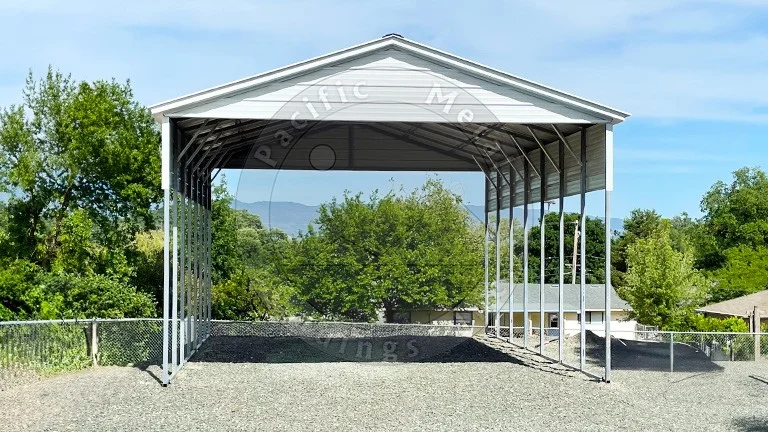
Two-Car Carports
Probably the most common setup. 2-car carports are enough room for two vehicles side by side, with a bit of extra space to move around.
Example:
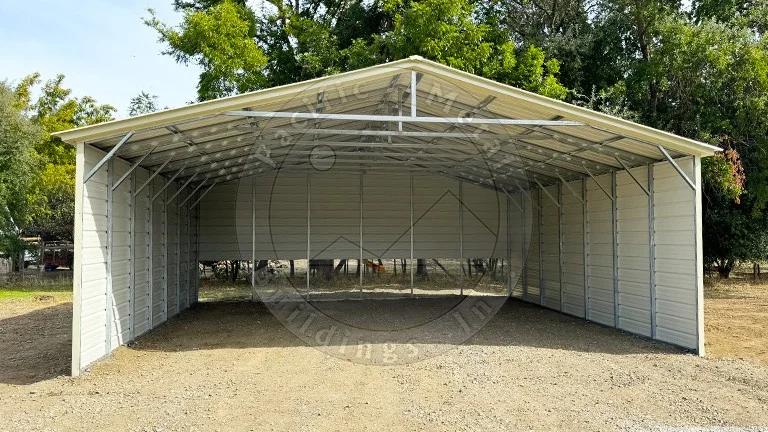
Three-Car Carports
These open things up quite a bit, with more width and more flexibility. Good if you’ve got multiple vehicles or a mix of uses.
Example:
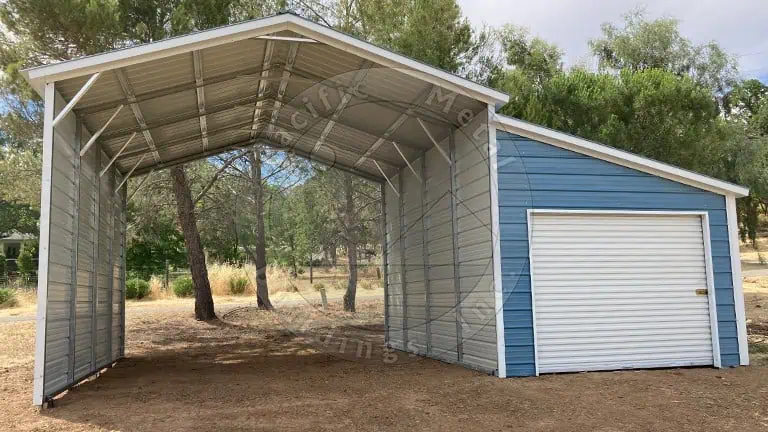
Attached Carports
These carports are built onto an existing structure, like a house or garage. They offer easy access, especially in bad weather.
Example:
18x20x12 Metal Carport with Lean-to
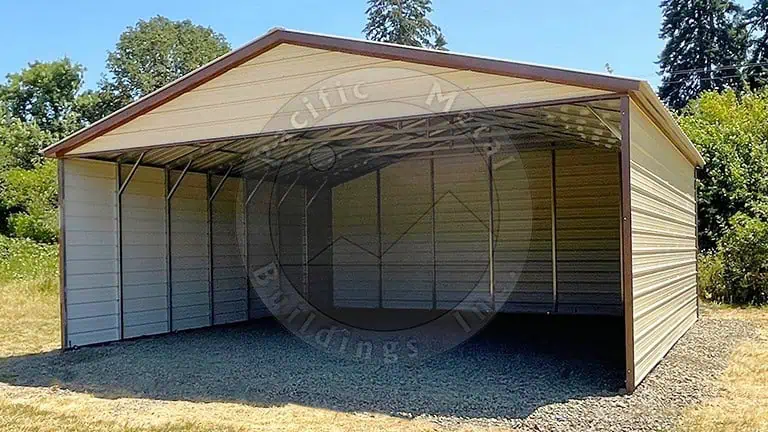
Detached Carports
Detached carports are placed wherever you need them. Out by a driveway, near a shop, or even further back on the property. More freedom with layout.
Example:
Carport Buying Tips: How to Choose the Right One
A little planning up front saves headaches later. Most mistakes happen when people underestimate space or skip small details. Follow these tips for the best results:
- Select the right size: Don’t just measure the vehicle. Think about opening doors, walking space, and maybe storing something next to it. A few extra feet make a difference.
- Choose the right roofing style (regular, A-frame, or vertical): Roof style matters more than it seems. Vertical roofs handle heavy rain and snow better. Regular styles are fine in lighter conditions.
- Check local building permits for wind and snow regulations: Some areas require certified structures. Wind and snow loads aren’t the same everywhere, so it’s worth checking before you commit.
- Consider custom add-ons: Side panels, gables, and partial enclosures; these small upgrades can change how the space is used. It’s easier to plan for them early.
Carport Installation & Maintenance: What to Expect
The install itself is quick. Getting the site ready is what really matters.
Site preparation
You want level ground. No debris, no uneven spots. If the base is off, everything else feels it later.
Foundation work
Gravel, asphalt, or concrete all work. The goal is stability. Something that won’t shift or settle over time.
Installation process
The frame goes up first, then the roof panels. Everything gets anchored down. Most jobs wrap up in a day, depending on size.
Maintenance tips
Check bolts now and then. Clear off leaves or debris. After a storm, it’s worth a quick look. Nothing complicated.
Metal Carport Cost and Timeline
Most basic metal carports land somewhere between $11 and $20 per square foot. That’s a general range. Go bigger, add panels, change the roof style, and the price moves with it.
After you place an order, the usual wait is about 4 to 8 weeks. That covers manufacturing and scheduling. Sometimes quicker, sometimes a bit longer, depending on demand.
The actual install is the easy part. Once everything shows up and the site is ready, it doesn’t take long. Weather and permits can slow things down, but if those are handled early, the process stays pretty straightforward.
Get the Right Carport with Pacific Metal Buildings
Pacific Metal Buildings delivers structures that hold up year after year and continue to do their job decades down the line. Each carport is built to meet local wind and snow requirements in California and Oregon and is ready to work for you.
Whether you’re going simple or planning something larger, there’s room to adjust the design to fit your space.
When you work with Pacific Metal Buildings, you get:
- Included delivery and installation
- Leading warranties
- Dedicated customer support
- Certified metal structures
- Local knowledge of building regulations
If you’re at the point where you’re comparing options, this is a good place to start narrowing things down. Give us a call at +1 (530) 438-2777 to get started.
Frequently Asked Questions
Do carports actually make a difference in vehicle lifespan?
They can. Less exposure to the sun and moisture usually means less wear over time.
How long does installation take?
In most cases, just a few hours once everything is ready.
Can I enclose a carport later on?
Yes, many designs allow you to add panels or partially enclose it down the road.
Will I need a permit?
It depends on local rules, so it’s worth checking ahead of time.
Which roof style is best for bad weather?
Vertical roofs tend to handle rain and snow the best.
How long will a metal carport last?
With basic upkeep, they can last for decades without much trouble.